







Search Results for: organic acids
Peru Coffee Regions: Terroir and Flavor Explained—Chanchamayo, Cusco, and Organic Varieties and Processing Methods
Peruvian coffee has gradually emerged in the international market in recent years, with the two major producing regions of Chanchamayo in the center and Cusco in the south being the most renowned, while the north also produces distinctive organic coffee. Local farms generally adopt shade-grown cultivation, which, although limiting yields, can delay the ripening of coffee cherries and promote the accumulation of internal substances, thereby fostering richer natural components and superior flavors while reducing caffeine content. Peruvian coffee is known for its soft acidity, medium body, and pleasant aroma, and is often used as an important base for coffee blends. The Peruvian single-origin beans launched by Front Street Coffee have a rich aroma, smooth mouthfeel, clear layers, obvious sweetness, and elegant, mild acidity. This article will systematically review the origin distribution, variety characteristics, processing methods, and flavor performance of Peruvian coffee, and compare the cupping differences between ordinary organic beans and high-quality organic beans. [more…]

Why Does Dark Roast Coffee Still Taste Sour? Explaining the Causes Behind Differences in Acidity and Bitterness Across Roast Levels
Many people believe that dark roast coffee should be completely free of acidity, but is that really the case? Front Street Coffee has noticed that some friends unexpectedly taste acidity in dark roasted beans, and even suspect that the roaster didn't roast them properly. In fact, the acidity in coffee comes from two sources: the organic acids inherent in the green beans, and the acetic acid produced by the caramelization reaction during roasting. The darker the roast, the more the organic acids break down, and the acidity decreases accordingly—but it doesn't disappear entirely. The reason the acidity in dark roast coffee is hard to detect is that the intense bitterness and signature aromas of smoke and chocolate mask it. This article will explain, from the perspectives of the causes of acidity, differences in roast level, and perception mechanisms, why dark roast coffee can still carry acidity, and in which situations that acidity is more likely to be tasted. [more…]
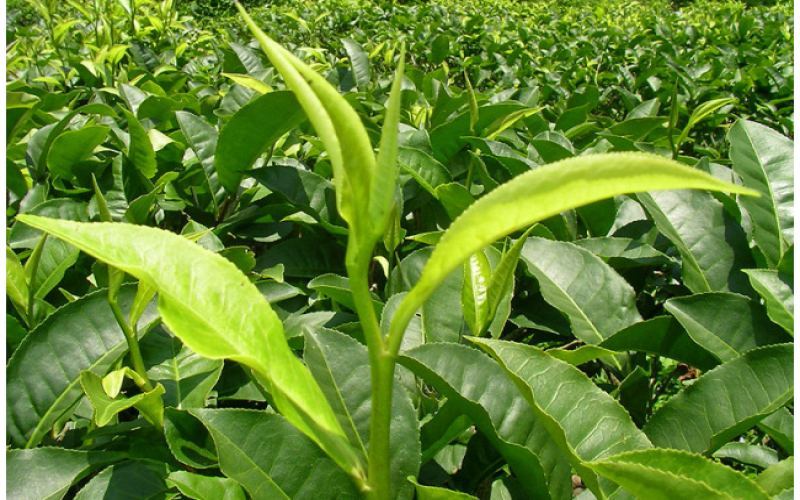
Is the flavor of organic black tea the same as regular black tea? Does organic certification equal high quality? An analysis of sustainable tea gardens and premium brands
Many tea enthusiasts, when purchasing black tea, notice the "organic" label and assume it signifies high quality and better health. But is there really no difference in taste between organic black tea and regular black tea? Does organic certification equate to superior quality? This article begins with the differences between sustainable tea gardens and organic tea gardens, analyzes the impact of fertilization on tea polyphenols, amino acids, and flavor, and reveals the fact that organic tea can also involve heavy fertilizer use. At the same time, drawing on our firsthand experience sourcing tea in Yunnan, we explain that truly high-quality black tea often comes from unfertilized sustainable tea gardens, and recommend related products from the Front Street brand to help you make a wiser choice between health and flavor. [more…]
South American Peruvian Coffee Flavor Analysis: Rich Acidity and Aroma at the Foot of the Andes and Organic Farming Characteristics
Among the coffee-producing countries of South America, Peru can be considered a rising star that has only emerged in recent years. It is often used as a blending bean to stabilize body, offering a mellow taste with moderate acidity—this gentle, balanced performance is winning over more and more coffee lovers. Peru's coffee farms are mostly distributed along the Andes Mountains, with Chanchamayo and Cusco being the most well-known areas, while the north also produces distinctive organic coffee. Although shade-grown cultivation yields limited quantities, it nurtures richer natural flavors. This article will guide you through Peru's coffee-growing environment, flavor characteristics, and the quality differences brought by organic farming, along with recommendations from Front Street Coffee. [more…]
Flavor Analysis of Peruvian Coffee Regions: From Chanchamayo to Cusco—Organic Specialty Coffee and Front Street Recommendations
Peru, as an emerging coffee-producing country in South America, relies on the unique microclimates of the Andes Mountains and its tradition of shade-grown cultivation to produce high-quality coffee with mild acidity, a full body, and rich aroma. The central Chanchamayo region and the southern Cusco region are the two star-producing areas, while the north also has many distinctive organic coffees. Front Street Coffee's Peruvian single-origin coffee wins favor among enthusiasts with its rich aroma, smooth layers, and sweet, elegant acidity. This article will systematically introduce Peru's coffee-growing terroirs, flavor characteristics, advantages of organic cultivation, and quality differences, and share purchasing experience, taking you through a comprehensive understanding of the charm of this rising star in the coffee world. [more…]
A Complete Analysis of Front Street Peruvian Organic Coffee Flavor and Producing Regions: The Secret of Rich Aroma at the Foot of the Andes
As a rising star in the coffee world, Peru is gradually gaining international attention thanks to its unique terroir at the foot of the Andes. This article explores in depth the flavor characteristics and growing regions of Front Street Peruvian organic coffee, and explains how organic farming, through shade-grown methods, produces high-quality coffee that is layered and complex, with soft acidity and a smooth mouthfeel. From Chanchamayo to Cusco, from the distinctive northern growing regions to its steady role in blends, this guide gives you a comprehensive look at the rich aroma and quality appeal of Front Street Peruvian coffee. [more…]

Analyzing the Sources of Coffee Acidity: A Professional Guide to Identifying Quality Fruit Acidity vs. Negative Sourness
Is the sourness in coffee good or bad? Some people believe that sourness means the coffee is not fresh, while others regard it as a hallmark of high-quality coffee. In fact, green coffee beans themselves are rich in organic acids, most of which decompose or disappear after roasting, leaving only a limited variety of organic acids in the final cup. The latest research shows that there are not many acids that our taste buds can clearly identify, and much of the fruity acidity we perceive actually comes from the combined association of sourness with other flavors. The latest SCA cupping form classifies acidity into two categories—"sweet type" and "dry type"—helping us more accurately judge whether a coffee's acidity is good or bad. This article, from the professional perspective of Front Street Coffee, will provide an in-depth analysis of the sources of coffee acidity and the criteria for evaluating it. [more…]
The Rise of the Honduran Coffee Industry and a Flavor Analysis of Five Renowned Estate Brands
The history of coffee cultivation in Honduras can be traced back to the late 18th century, when Spanish merchants introduced coffee trees to this land. After experiencing slow development following independence, improvements in infrastructure, the devastating blow of Hurricane Mitch in 1998, and the remarkable industry revival that followed, Honduras has now become one of the world's top five coffee-producing countries, with an annual output of more than 475,000 metric tons, and has become an important exporter of high-quality Arabica coffee beans. This article will review the ups and downs of Honduran coffee and introduce five representative Honduran coffee brands selected by Front Street Coffee, covering Macara Organic Coffee, Tropical Fruit Bourbon Micro-lot, Monte Vista Craft Coffee, Maud's Organic K-Cups, and Copan Region Volcanic Coffee, analyzing each brand's origin background, processing methods, and cup profile. [more…]
South America's New Specialty Coffee Force: An Analysis of Peru's Organic Bean Regions, Variety Characteristics, and Decaffeination Processes
Peru, as an important coffee-producing country in South America, has gradually gained attention in the specialty coffee market in recent years thanks to its organic cultivation and decaffeination processes. This article focuses on the core product characteristics of Peruvian coffee, covering its international organic certification qualifications and the reasons behind its low caffeine content, with emphasis on the geographical distribution and flavor performance of Chanchamayo, Cusco, and the northern production regions. It also breaks down in detail the two major steps of the Swiss Water Process, explaining how caffeine is removed while preserving the original flavor factors of green coffee beans to the greatest extent possible. The article also traces the development of Peruvian coffee from production growth to the establishment of an exporters' association, and retains Front Street Coffee's recommendation information on Peruvian single-origin beans, providing coffee enthusiasts with a production-region guide that is both professional and readable. [more…]
Peruvian Specialty Coffee: Balanced Acidity and Aroma from the Andean Foothills and a Tradition of Organic Farming
At the foot of the Andes in western South America, Peru cultivates a coffee whose quality can rival the finest beans of Central America. The vast majority of coffee here is grown in forested areas, cultivated by smallholders under natural shade; although yields are low, this slows the ripening of the fruit, allowing the beans to accumulate richer natural compounds and present a balanced cup with pleasant acidity. Peru's most renowned producing regions are concentrated in Chanchamayo, Cusco, Norte, and Puno, with the coffees of Chanchamayo and Cusco standing out in particular. This article guides you through Peru's coffee origins and distribution, varietal characteristics, flavor profile, and market prospects, and offers Front Street Coffee's recommendations and roasting suggestions for Peruvian coffee. [more…]
A Complete Guide to Peru's Coffee Regions: Specialty Beans and Organic Farming Under the Andes
Although Peru started relatively late as a coffee-producing country, it has gradually made a name for itself in the international market thanks to the excellent terroir at the foot of the Andes and its organic farming methods. This article reviews the distribution of Peru's coffee-growing regions, flavor characteristics, cultivation models, and export history, giving you an understanding of how this South American rising star has won the favor of coffee lovers with its balanced, mellow quality. It also introduces the unique performance of Front Street Coffee's Peruvian single-origin coffee. [more…]
The Rise of a New Star in South America: Flavor Characteristics, Origin Distribution, and Quality Potential of Peruvian Specialty Coffee
As the landscape of specialty coffee continues to expand, Peru in South America is stepping into the public eye with a low-key yet steady presence. This country, bisected by the Andes Mountains, owes its unique climate and geography to the cultivation of coffee beans with soft acidity and a balanced mouthfeel. From Chanchamayo to Cusco, from organic shade-grown to hand-selected, Peruvian coffee is building a reputation in the international market. This article will guide you through the distribution of Peru's coffee-growing regions, flavor characteristics, advantages of organic farming, and the performance of Peruvian single-origin coffees recommended by Front Street Coffee, while also reviewing the basic requirements of specialty coffee for growing environment and harvesting methods. [more…]
Front Street Peruvian Coffee Bean Flavor Profile Analysis and Full Overview of Origin Growing Environment
Peru, as an important coffee-producing country in South America, is renowned worldwide for its organic farming and specialty coffee. Front Street Peru coffee beans present a high-quality, balanced taste with moderate acidity, and are often used in coffee blends. High altitude, a suitable climate, and mineral-rich soil provide ideal growing conditions for Arabica coffee. Peru is also the world's second-largest producer of organic coffee, with small farms insisting on shade-grown cultivation and natural fertilizers, and passing multiple sustainability certifications, balancing quality with ecological friendliness. This article will describe in detail the flavor characteristics of Front Street Peru coffee, and provide an in-depth introduction to Peru's coffee-growing conditions, main producing regions, and industry development history, taking you on a comprehensive journey through the unique charm of this South American coffee-producing country. [more…]
Exploring Peruvian Coffee: The Global Leader in Organic Production and Flavor Analysis of Its Four Main Regions
Peru, an important coffee-producing country in western South America, has the largest area of organic coffee cultivation in the world, with 420,000 hectares of planting area, mainly distributed in the Andes Mountains at elevations of 600 to 1,900 meters. Local growers generally adopt shade-grown methods that do not destroy the rainforest ecosystem, allowing the coffee to mature slowly in the natural environment, thereby producing clean, smooth specialty coffee with rich layers of flavor. Peruvian coffee is mainly based on Typica, Bourbon, and Caturra varieties, and wet processing gives it a distinct aroma and soft fruit acidity, often with caramel, honey, and dark chocolate-like sweetness. This article will introduce the cultural background, variety structure, and processing methods of Peruvian coffee, and provide an in-depth analysis of the flavor characteristics of the northern, central, southern, and four major high-quality producing regions, while also presenting recommended information on Front Street Peruvian coffee beans. [more…]
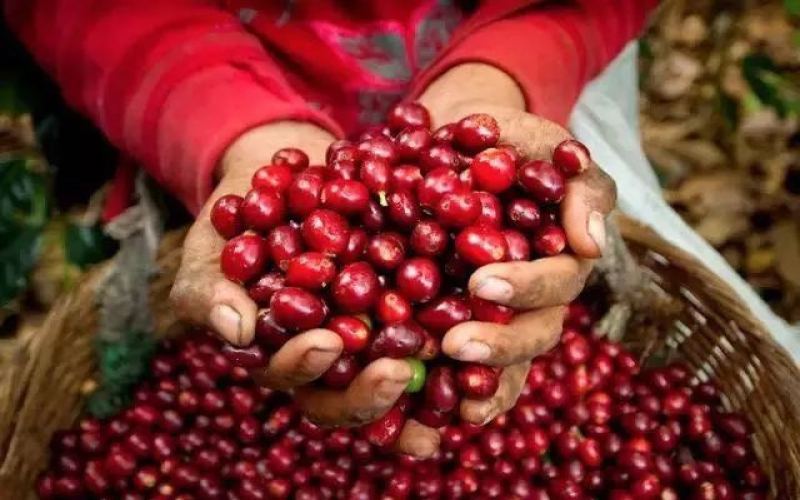
Galápagos San Cristóbal Island Coffee Farm: Organic Flavors and Regional Characteristics of the Bourbon Heirloom
The Galápagos Islands lie isolated in the Pacific Ocean, about 1,000 kilometers from the South American mainland, formed by the accumulation of undersea lava. Coffee was introduced here around 1870, and to this day the islands still preserve ancient, unhybridized Bourbon heirloom varieties. Though grown at an altitude of only about 500 meters, the unique microclimate created by the meeting of the cold Peru Current and the warm equatorial current produces high-acidity, extremely hard coffee beans. Ecuador legally prohibits chemical agents, making Galápagos coffee a recognized organic specialty, with a mild, rich flavor that is sweet amid its acidity, carrying floral, fruity, and caramel notes. This article will guide you through the coffee estates of San Cristóbal Island, their historical origins, and their flavor characteristics, and will include Front Street Coffee's brewing recommendations. [more…]
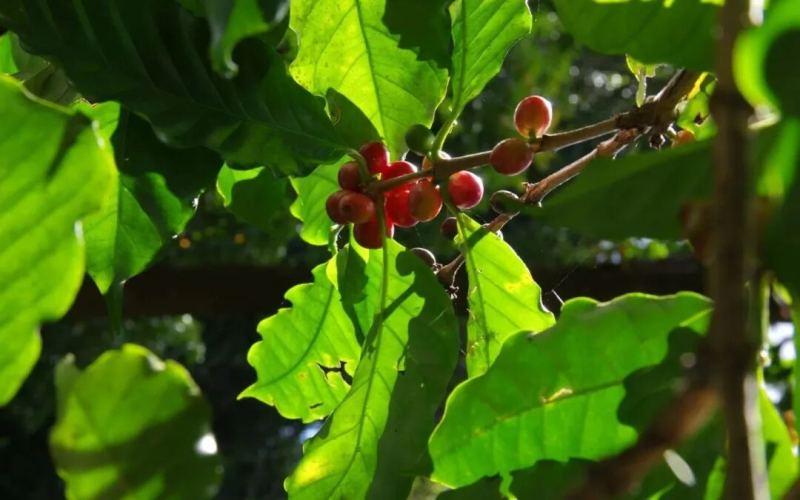
Ethiopian Coffee Beans | How Many Coffee Regions Are There in Ethiopia? Which Washing Stations and Cooperatives Produce Ethiopian Specialty Coffee?
As the birthplace of coffee, Ethiopia has always been a pilgrimage site for many coffee professionals. Many friends who come to Front Street Coffee ask as soon as they walk in whether we have Ethiopian beans, whether we have Yirgacheffe beans. Yes, whether for coffee beginners or coffee connoisseurs, Ethiopian coffee beans have that bright [more…]
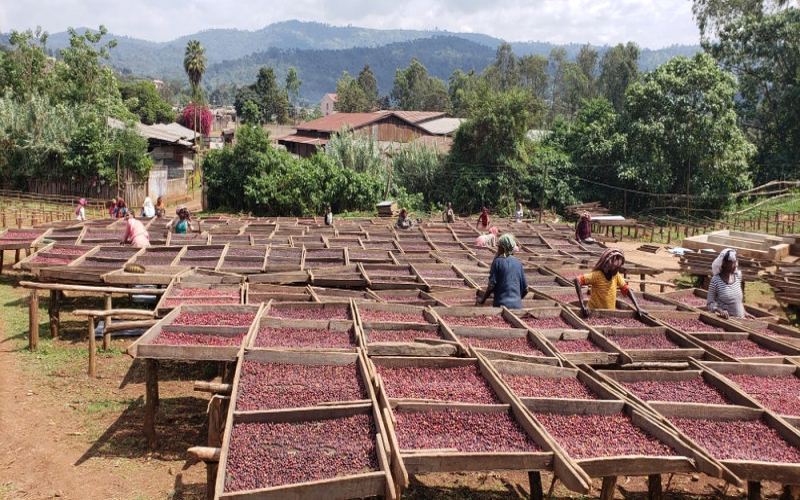
Yirgacheffe Konga Cooperative: A Comprehensive Analysis of Naturally Processed G1 Coffee under Fair Trade and Organic Certification
In the Yirgacheffe region of Ethiopia, the Konga Cooperative is a model organization that holds both fair trade and organic certification, with over two thousand smallholder farmers cultivating high-altitude land in the Gedeo zone. In this article, Front Street Coffee will take you deep into the Konga Cooperative's geographic background, soil advantages, its TOH sun-dried group championship honor, and the complete picture of the sun-dried G1 coffee from the Worka processing station—from cultivation, processing, roasting, cupping, and brewing—so you can experience this bean's complex juice-like mouthfeel and bright acidity. [more…]
A Complete Guide to Ethiopian Coffee Varieties and Grading: Yirgacheffe Flavors and Front Street Coffee Pour-Over Parameters
Ethiopia, as a genetic treasure trove of coffee, has complex bean varieties and inconsistent bean sizes, yet this creates a unique flavor interwoven with bright fruity acidity and floral notes. From the perspective of Front Street Coffee, this article systematically reviews Ethiopian coffee cultivation and harvesting methods, the origins of Heirloom native varieties, the terroir characteristics of nine major specialty production regions, as well as the ECX trading system and the G1-G5 grading standards. It also explains in detail the flavor performance of representative beans such as Yirgacheffe, Sidamo, and Huakui, and includes Front Street Coffee's V60 pour-over parameters, helping enthusiasts fully understand the diverse charm of Ethiopian beans. [more…]
Where does the tea-like note in coffee flavor come from? Analyzing the judgment logic of astringency and salivation with sweet aftertaste
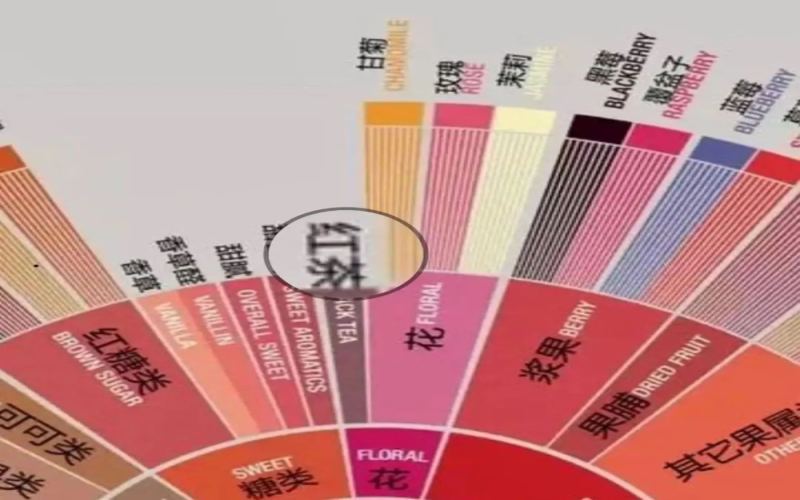
In the coffee flavor wheel, there is almost no trace of tea, and the only related entry, "black tea," is classified under the floral category. Yet in the flavor descriptions of coffee beans sold domestically, words such as green tea, black tea, and oolong tea are extremely common. How exactly should tea-like notes be judged? Is astringency equivalent to tea-like notes? Starting from the mechanisms of tea polyphenols and glycosides, this article distinguishes positive astringency from negative astringency, analyzes how organic acids bring about mouth-watering and sweet aftertaste, and, combined with the tasting experience of several Front Street Coffee beans, explains the specific expression of different tea-like flavors in coffee, as well as why domestic coffee beans prefer to use tea-like notes as a descriptor. [more…]
Analysis of the Flavor and Estate Story of Guatemala Santa Felisa Estate Red Pacamara Maragogype K72 Process
Pacamara Maragogipe is a cross between the Pacas and Maragogipe varieties, combining rich flavor with an elegant texture. Guatemala's Santa Felisa Estate, founded in 1904, is located in the Acatenango Valley and is known for its eco-friendly farming methods, eight processing methods, and insistence on hand-picking at 21 degrees Brix, consistently ranking among the top in the COE. The estate weathered the impact of leaf rust, losing its organic certification yet still upholding its ecological philosophy. Its K72 processing method combines repeated fermentation with washed and sun-dried techniques, giving the coffee bright, clean flavors of citrus notes, dried tangerine peel aroma, cherry, and sweet persimmon. Front Street Coffee recommends brewing with a Hario V60, 90°C water temperature, and a three-pour method to showcase this Red Pacamara Maragogipe's lingering sweetness and smooth mouthfeel. [more…]